
New Years Resolutions vs. Creating a New Lifestyle: What Actually Works for Lasting Health?
Here's a reality check: only 9-12% of people actually keep their New Year's resolutions. Yet every January, millions of us make the same promises to ourselves, lose weight, eat better, exercise more. So why do these well-intentioned goals crash and burn by February, while some people seem to effortlessly transform their health year after year?
The answer isn't willpower. It's strategy. And the most successful people understand one crucial difference: they don't make resolutions, they build lifestyles.
Why New Year's Resolutions Set You Up to Fail
Traditional resolutions are built on a flawed foundation. They're typically all-or-nothing declarations that ignore how real change actually happens. Here's what goes wrong:
The Perfectionism Trap: "I'll go to the gym every single day" or "I'll never eat sugar again" sound motivating, but they're recipes for disaster. One missed workout or slice of birthday cake becomes a reason to quit entirely.
The Timeline Problem: Resolutions treat January 1st like a magic reset button. But sustainable change doesn't care about calendar dates, it happens through consistent daily choices.
The Overwhelm Factor: Most people try to overhaul their entire life at once. New diet, new workout routine, new sleep schedule, new everything. Your brain can't handle that much change simultaneously.

The Motivation Myth: Resolutions rely on fleeting motivation instead of sustainable systems. When that initial excitement fades (and it will), there's no foundation to fall back on.
What Lifestyle Change Actually Looks Like
Lifestyle change flips the script entirely. Instead of dramatic declarations, it focuses on small, sustainable shifts that compound over time. Here's how successful people approach health transformation:
Start Ridiculously Small: Instead of "eat healthy," they might start with "add one vegetable to lunch." Instead of "work out every day," they begin with "walk for 10 minutes after dinner." These micro-changes feel manageable and create early wins.
Focus on Identity, Not Outcomes: Rather than "I want to lose 30 pounds," they think "I'm becoming someone who prioritizes their health." This shift in identity drives consistent behavior long after motivation disappears.
Build Systems, Not Goals: They create routines that make healthy choices automatic. Having metabolism reboot meals delivered removes the decision fatigue around what to eat. Setting out workout clothes the night before eliminates morning excuses.
The Science Behind Sustainable Change
Research shows it takes 6-8 weeks of consistent behavior for a change to become truly habitual, like brushing your teeth. During this crucial period, your brain is literally rewiring itself to make these new behaviors feel natural.

The National Weight Control Registry, which tracks people who've lost at least 30 pounds and kept it off for over a year, reveals some fascinating patterns:
- They track their progress daily (not obsessively, just consistently)
- They have concrete action plans, not vague intentions
- They use group support or accountability systems
- They stay flexible, adjusting their approach when something isn't working
Most importantly, they view setbacks as data, not failures. Miss a workout? That's information about what got in the way. Overeat at dinner? That's insight into your triggers and timing.
Practical Steps to Build Your New Lifestyle
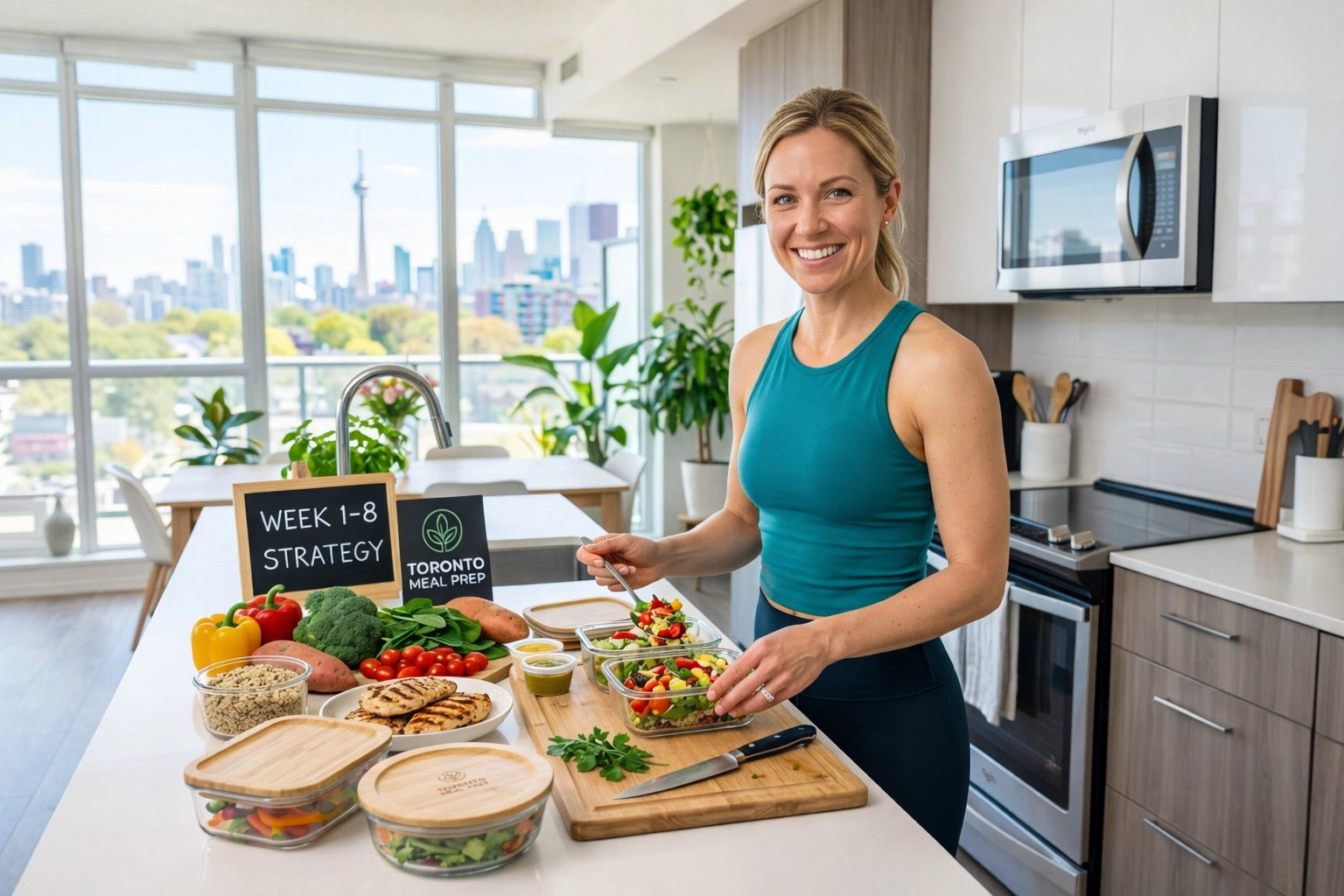
Week 1-2: Pick Your One Thing Choose a single change that feels almost too easy. Maybe it's drinking one extra glass of water daily or taking the stairs instead of the elevator. The goal is to prove to yourself that change is possible.
Week 3-4: Add Your Nutrition Foundation This is where healthy meal delivery becomes a game-changer. Instead of trying to meal prep everything from scratch (hello, overwhelm), start with having balanced meal prep handled for a few meals per week. It removes decision fatigue while teaching you what proper portions and nutrition actually look like.

Week 5-6: Create Your Movement Ritual Add gentle movement that doesn't feel like punishment. This could be dancing while cooking, stretching during TV commercials, or taking phone calls while walking. The key is consistency, not intensity.
Week 7-8: Optimize Your Environment Make healthy choices easier and unhealthy ones harder. Stock your fridge with nutritionist meals instead of relying on willpower to resist the drive-through after a long day.
Why Meal Delivery Supports Lifestyle Change
Let's be honest: nutrition is usually the hardest part of any health transformation. Between grocery shopping, meal planning, cooking, and cleanup, eating well can feel like a part-time job.
Fitness meal service solutions like Model Health Meals remove these barriers. You're not just buying convenience: you're buying time, reducing stress, and learning what balanced nutrition looks like without the guesswork.

When your weight loss meals are automatically portioned and nutritionally balanced, you can focus on building other healthy habits instead of spending hours researching recipes and counting macros.
The Flexibility Factor
Here's what resolution-makers miss: successful people adapt their goals when life gets in the way. Rigid thinking ("I must work out exactly 45 minutes, 5 times per week") leads to all-or-nothing failures. Flexible thinking ("I'll move my body in some way most days") allows for sustainability.
Got sick and missed a week of workouts? A lifestyle-focused person adjusts and gets back on track. A resolution-focused person often uses it as an excuse to quit entirely.
The key is progress, not perfection.
Making January Different This Year
Instead of making dramatic resolutions this year, consider these questions:
- What's one tiny change I could make that would improve my energy?
- How can I make healthy choices easier in my current life?
- What support systems do I need to succeed?
- How will I track progress without becoming obsessive?

Remember, the people who successfully transform their health don't do it through willpower: they do it through smart systems, gradual changes, and sustainable support.
Your January doesn't need to be a complete life overhaul. It just needs to be the beginning of small, consistent choices that align with who you're becoming.
The difference between a resolution and a lifestyle isn't the size of the change: it's the mindset behind it. Resolutions are about fixing what's wrong. Lifestyle change is about building what's right.
Ready to build sustainable health habits? Explore our meal plans designed to support your lifestyle transformation, one meal at a time.


Leave a comment
This site is protected by hCaptcha and the hCaptcha Privacy Policy and Terms of Service apply.