
The 30-Day Metabolism Reboot: What to Eat When You're Too Busy to Cook
A busy schedule should not force you to choose between convenience and healthy eating.
The right metabolism reboot diet is not an extreme cleanse, a crash diet, or a promise to “reset” your body overnight. It is a structured 30-day approach that helps you build consistent habits around protein, fibre, balanced portions, hydration, movement, and sleep.
When your meals are already chef-prepared and ready to enjoy, following the plan becomes significantly easier. That is where a healthy meal delivery and meal prep delivery service can support your routine.
Model Health Meals provides chef-prepared meals made with dietitian-approved recipes, flexible meal plans, macro-conscious options, and choices for both regular and vegan lifestyles. Here is how to use delivered meals as the foundation for a practical 30-day reboot.
What a “metabolism reboot” really means
Your metabolism is the system your body uses to convert food into energy and support essential functions. It does not need a magic reset. It responds best to consistent habits that support energy balance, muscle maintenance, digestion, sleep, and daily activity.
During the next 30 days, focus on five foundations:
- Eat enough protein to support fullness and lean muscle.
- Choose vegetables, fruits, legumes, and whole grains for fibre.
- Build meals around consistent portions.
- Drink water regularly.
- Combine healthy eating with walking, resistance training, or other movement.
Research from NIH-affiliated sources supports higher-protein eating patterns, adequate fibre, and regular physical activity as useful tools for appetite control, body composition, and long-term weight management. No single food or diet strategy works for everyone, so your plan should be realistic enough to repeat.
Your 30-day metabolism reboot plan
Days 1–7: Establish your foundation
The first week is about removing decision fatigue. Do not try to change everything at once. Instead, establish a dependable daily rhythm.
Aim to:
- Eat three balanced meals.
- Include a protein source at every meal.
- Add at least one vegetable or fruit to each meal.
- Replace sugary drinks with water or unsweetened beverages.
- Take a short walk after one meal whenever possible.
A simple meal formula works well:
Protein + vegetables or fruit + quality carbohydrate + healthy fat
For example, a balanced dinner could include grilled chicken, roasted vegetables, brown rice, and a small amount of olive oil-based dressing. A plant-based version could include tofu, vegetables, quinoa, and avocado.
Do not focus on perfection. Focus on repeating the same useful choices often enough that they become automatic.
Days 8–14: Increase protein and fibre
In week two, make fullness and meal quality your priorities.
Protein can help support lean mass and satiety, particularly when combined with resistance training and an appropriate overall calorie intake. Practical sources include chicken, fish, lean beef, turkey, eggs, Greek yogurt, tofu, tempeh, beans, and lentils.
Fibre-rich foods include:
- Leafy greens
- Broccoli and cauliflower
- Peppers and carrots
- Berries, apples, and oranges
- Lentils, chickpeas, and black beans
- Oats, quinoa, brown rice, and farro
- Nuts and seeds
If your current diet is low in fibre, increase it gradually and drink enough water to support digestion.

Days 15–21: Match meals to your schedule
By the third week, identify when your routine usually breaks down.
Do you skip breakfast before commuting? Reach for takeout during afternoon meetings? Finish the day too hungry to make a reasonable dinner? Your solution should address the specific point where your plan tends to fail.
Use this schedule:
Morning
Start with water and a protein-focused breakfast. Easy options include Greek yogurt with berries and seeds, eggs with whole-grain toast, or a protein shake with fruit.
Midday
Make lunch substantial enough to prevent an afternoon energy crash. Choose a meal with protein, vegetables, and a satisfying carbohydrate such as rice, quinoa, farro, potatoes, or whole-grain pasta.
Afternoon
Use a planned snack only if you need one. Try cottage cheese and fruit, a handful of nuts, vegetables with hummus, or a protein-rich snack.
Evening
Choose a complete dinner rather than grazing through snacks. If you arrive home exhausted, your dinner should require minimal preparation. This is where a meal prep delivery service can eliminate the need to cook, shop, measure, and clean up after a long day.
Days 22–30: Build a routine you can maintain
The final nine days are about sustainability. Review what worked and make your routine easier to continue beyond the 30-day period.
Ask yourself:
- Which meals kept me full?
- Which foods gave me reliable energy?
- When did I overeat or skip meals?
- Did I drink enough water?
- Did I have convenient food available before I became overly hungry?
- Which meal plan structure fits my work and training schedule?
Avoid creating unnecessary restrictions. A sustainable metabolism reboot diet should help you eat more consistently, not leave you afraid of normal foods.
How Model Health Meals supports a busy professional
Healthy eating becomes easier when the healthy choice is already available.
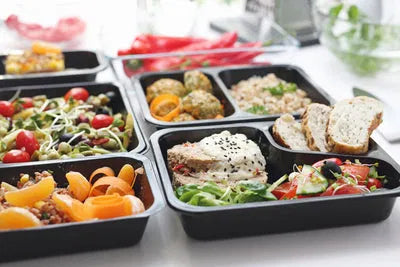
Model Health Meals gives you the convenience of a healthy meal delivery service while helping you maintain structure throughout the week. Meals are chef-prepared, portioned, and delivered so you can spend less time grocery shopping, cooking, tracking, and cleaning.
The flexible format also allows you to choose the level of support you need. Depending on your schedule, you can select:
- A smaller weekly plan for selected lunches or dinners
- A larger plan for more complete weekly coverage
- Regular entrees for balanced everyday meals
- Bodybuilder-focused meals with controlled macros
- Vegan options
- Customizable sides and extras
The Mix & Match 10 Weekly Meal Plan allows you to choose from a rotating menu of meals. For additional coverage, the Mix & Match 12 Weekly Meal Plan provides more prepared meals for the week.
Browse the current menu or explore the healthy entrees collection to build a meal routine that matches your goals.

A practical day of eating during the reboot
Use this sample structure as a starting point. Adjust portions and food choices to your needs, preferences, activity level, and professional guidance.
Breakfast
- Greek yogurt or eggs
- Berries or another fruit
- Oats, whole-grain toast, or seeds
- Water or unsweetened coffee
Lunch
- Chef-prepared meal with a clear protein source
- Vegetables or a side salad
- Rice, quinoa, potatoes, or another quality carbohydrate
Afternoon snack, if needed
- Cottage cheese and fruit
- Hummus with vegetables
- Protein shake
- Nuts and an apple
Dinner
- Model Health Meals entree
- Additional vegetables if desired
- A customizable side such as quinoa, rice, or sweet potato
Evening
- Water or unsweetened tea
- Avoid eating directly from packages or while distracted
- Prepare the next day’s meals before going to bed

Busy professional meal prep tips
1. Keep emergency foods available
Store shelf-stable or refrigerator-friendly options at work, including protein shakes, tuna, nuts, fruit, whole-grain crackers, or roasted chickpeas. Backup options help prevent last-minute fast-food decisions.
2. Schedule meals like meetings
Add lunch and dinner breaks to your calendar. A meal break is not wasted time; it helps protect your energy and decision-making for the rest of the day.
3. Use delivered meals strategically
You do not need to order every meal if that does not fit your budget or routine. Use prepared meals for the times you are least likely to cook, such as late workdays, training nights, or busy Mondays.
4. Add simple produce
Pair prepared meals with pre-washed greens, baby carrots, cucumber, berries, or an apple. This increases variety without requiring a full cooking session.
5. Move after meals
A short walk after lunch or dinner can help you add daily activity without requiring a separate workout block. For broader health benefits, the CDC recommends regular physical activity, including both aerobic movement and muscle-strengthening activities.
Safety and realistic expectations
A 30-day reboot should support healthier habits, not promise dramatic or guaranteed results. Weight, energy, appetite, digestion, and other outcomes vary between individuals.
Do not make major dietary changes without professional guidance if you are pregnant, managing diabetes, taking medication affected by food intake, recovering from an eating disorder, or managing another medical condition. Speak with a physician or registered dietitian when you need individualized recommendations.
The goal is simple: make balanced eating easier to repeat.
With consistent meals, adequate protein and fibre, regular movement, hydration, and a reliable meal prep delivery service, you can spend the next 30 days building a routine that works with your schedule instead of against it.
Start your reboot. Choose your meals. Build your routine. Make healthy eating the convenient choice.


Leave a comment
This site is protected by hCaptcha and the hCaptcha Privacy Policy and Terms of Service apply.